


When standing, lifting or walking is off the table for now, movement can feel like something that belongs to other people. Seated Strength & Adaptive Movement is built on a simple belief: you can still move with purpose from where you are, including from a chair or a wheelchair, once your doctor says you're ready.
Clearance first, always
Before you join any MOVE movement session, your treating physician needs to clear you for exercise, and you should share any limits, restrictions or precautions they have given you. If you are working with a physical therapist, they are the lead on your rehabilitation exercises. Adaptive Movement is a coaching and confidence class: it complements PT and never replaces it.
If a movement doesn't fit your restrictions, skip it or use the alternative the coach offers. "Not today" is always a valid choice.
What a session looks like
- A seated check-in: how's your energy, sleep and comfort today, on your own scale.
- Breath and posture: settling in, sitting tall, relaxing the shoulders and jaw.
- Gentle mobility for the areas you're cleared to move: neck, shoulders, wrists, hips, ankles.
- Seated strength with body weight, light bands or household items, with options for every level.
- A cool-down and one small "carry it into your day" habit.
Confidence is the real outcome
After an injury, many people become wary of moving at all. That's understandable, and it is something a coach can help with. Adaptive Movement focuses on predictable, repeatable movements, small wins you can feel, and plenty of choice. The goal is to help you feel at home in your body again, at whatever level is right for you now.
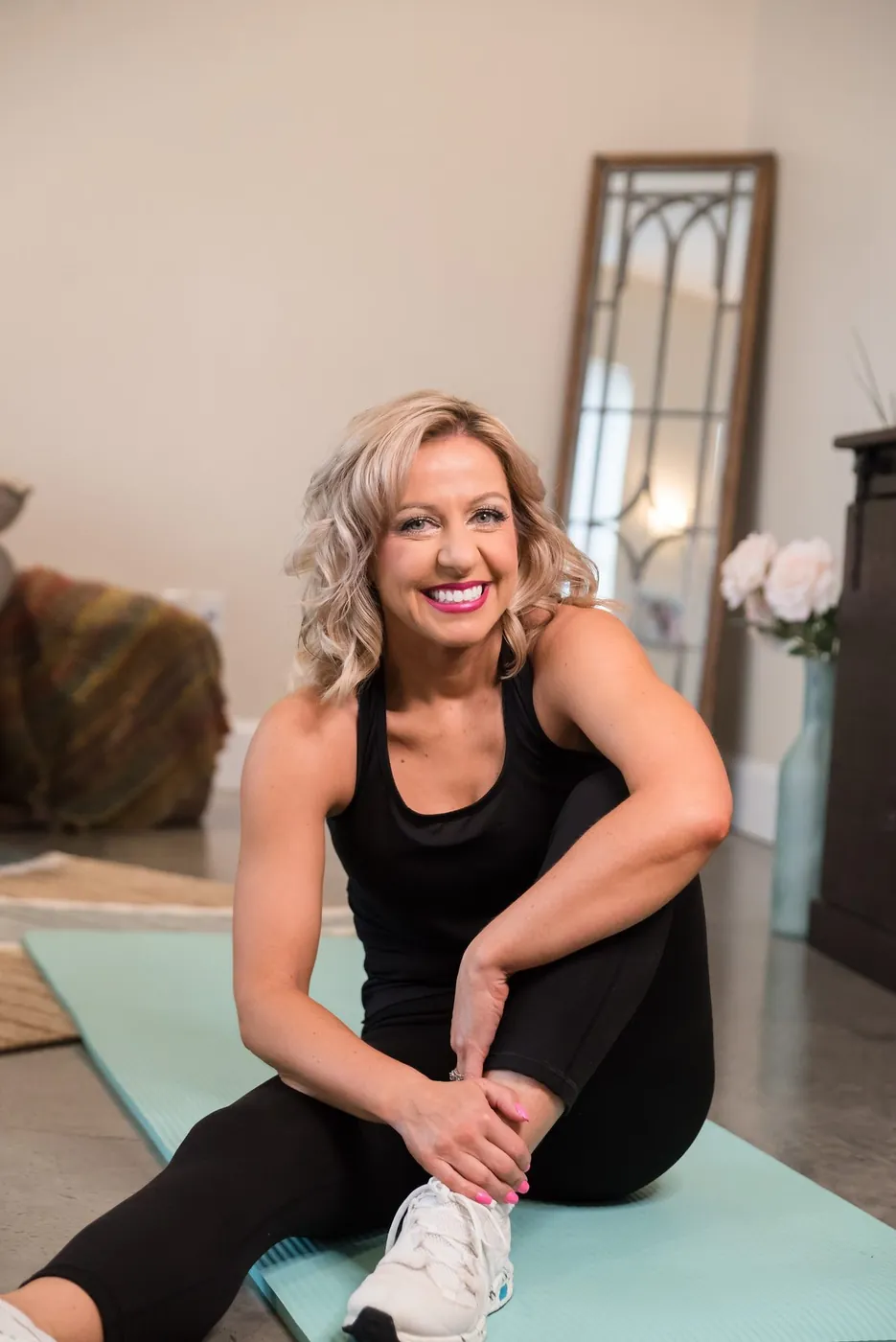
Krystalore has lived this. She was once in a wheelchair with a rare form of rheumatoid arthritis, and came back to run 28 marathons and a 50-mile race. She coaches with the patience of someone who remembers how far the first step feels.
Simple rules for moving safely at home
- Use a sturdy chair without wheels (or lock your wheelchair brakes) on a non-slip surface.
- Keep water and your phone within reach.
- Move in a comfortable range. Discomfort that is sharp, new or getting worse means stop.
- Don't hold your breath. Count out loud if it helps.
- Write down how you felt afterwards and share it with your PT or doctor.
When to stop and get help
Stop and contact your doctor if you notice new or worsening pain, numbness, swelling or weakness. Call 911 for chest pain, trouble breathing, fainting, sudden weakness on one side of the body, or any symptom that feels like an emergency.
Formats
Live group classes (camera optional), an on-demand library for days that don't fit the schedule, 1:1 sessions to tailor options to your restrictions, and in-person sessions where available.
Physician clearance required before any MOVE movement session. Coordinates with, and never replaces, physical therapy. Medical emergency? Call 911.